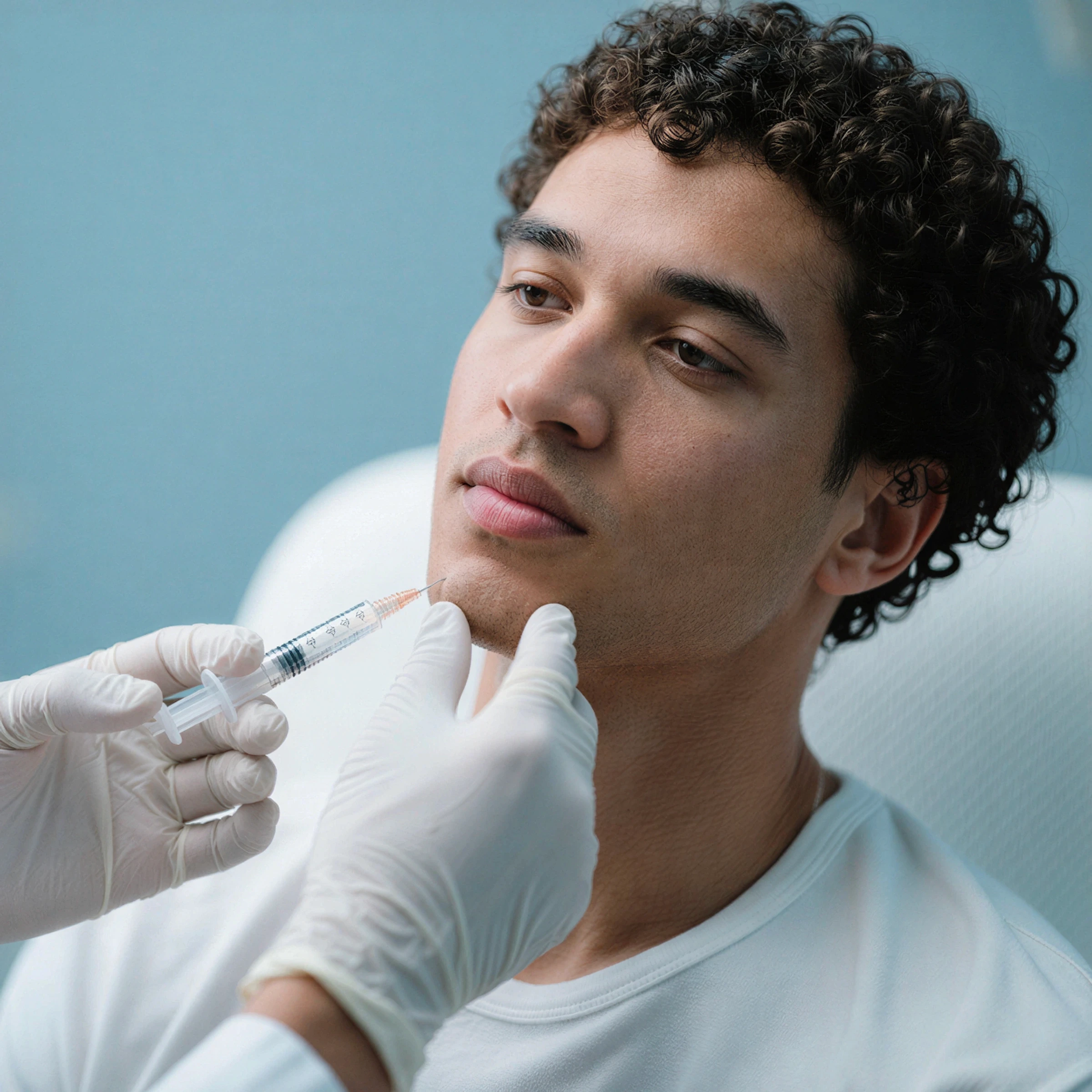
Preventive healthcare focuses on keeping families healthy before illness develops. Regular checkups and healthy habits create a strong foundation for lifelong wellbeing.
Many health conditions can be prevented or managed more effectively when identified early. Preventive healthcare encourages routine medical visits, screenings, and healthy lifestyle choices that reduce future health risks while improving overall quality of life.
Rather than waiting for symptoms to appear, preventive care helps individuals and families stay proactive. It allows healthcare providers to monitor health over time, recommend lifestyle improvements, and detect changes before they become more serious.

What Is Preventive Healthcare?
Preventive healthcare focuses on maintaining health through regular medical evaluations, early detection, and education rather than simply treating illness after it develops.
Preventive services include:
Annual wellness examinations
Health screenings
Vaccinations
Blood pressure monitoring
Routine laboratory testing
Nutritional counseling
Lifestyle guidance
These services help identify potential concerns early while supporting long-term physical and mental wellbeing.
Why Early Detection Matters
Many chronic conditions—including diabetes, high blood pressure, and heart disease—develop gradually without noticeable symptoms.
Routine screenings allow physicians to identify risks before complications occur, making treatment more effective and often less invasive.
Early detection can help:
Improve treatment outcomes
Reduce healthcare costs
Prevent serious complications
Support faster recovery
Improve overall quality of life
Building Healthy Family Habits
Good health begins at home. Small daily habits can significantly improve the wellbeing of every family member.
Healthy routines include:
Eating balanced meals
Staying physically active
Drinking enough water
Getting adequate sleep
Managing stress effectively
Limiting tobacco and alcohol
Scheduling regular medical checkups
When families practice healthy habits together, they're more likely to maintain them long-term.
The Importance Of Vaccinations
Vaccinations remain one of the safest and most effective ways to prevent serious illnesses.
Keeping immunizations current helps protect:
Infants and children
Adults
Older adults
Individuals with weakened immune systems
The broader community
Following recommended vaccination schedules supports healthier families and reduces the spread of preventable diseases.
Partnering With Your Healthcare Provider
A trusted healthcare provider becomes an important partner throughout every stage of life.
Regular appointments allow physicians to:
Monitor ongoing health
Answer medical questions
Update preventive screenings
Recommend healthy lifestyle changes
Coordinate specialist care when necessary
Strong patient-provider relationships often lead to better communication and improved health outcomes.
Making Prevention A Priority
Preventive healthcare is one of the most valuable investments you can make in yourself and your family. By focusing on early detection, healthy habits, and regular medical care, you reduce future risks while creating opportunities for healthier, more active lives.
Even small, consistent efforts can make a lasting difference over time.
Conclusion
Preventive healthcare is about more than avoiding illness—it's about building a healthier future. Routine checkups, healthy lifestyle choices, and strong partnerships with your healthcare provider help protect your wellbeing today while supporting better health for years to come.
Blog